Popular Posts
Indonesia Accounting, Audit & Payroll

PER-10/BC/2026 can create inventory, close, and tax problems when customs-controlled goods (including barang tidak dikuasai) are not handled through a clear trigger-to-evidence workflow. This guide provides a role-based roadmap for Ops, Warehouse, Finance/Tax, and Company Secretary to standardise SOPs, document packs, decision gates, accounting entries, and record retention so cases remain audit-ready into 2027.
BI Rate 5,75% dapat menaikkan biaya dana SME lewat kombinasi bunga, fee, dan pola pemakaian fasilitas kredit yang kurang disiplin. Artikel ini memandu cara menghitung total cost of borrowing, membangun forecast kas 13-minggu, serta mendesain struktur rekening saat bank account opening agar likuiditas lebih terkontrol menuju 2027.
PSAK 120 can force regulated Indonesian SMEs to recognise regulatory assets and liabilities that were previously tracked informally, affecting profit timing, KPIs, and audit work. This guide lays out a practical approach to screen scope, redesign month-end close with an audit-ready evidence pack, and run a 2026 parallel process so 2027 reporting is repeatable.
PSAK 120 (aligned to IFRS 20) may change how Indonesian rate-regulated businesses recognise profit and present regulatory assets and liabilities. This guide sets out a practical roadmap to confirm scope, map tariff and true-up mechanics, redesign data and close workflows, and build audit-ready documentation ahead of adoption.
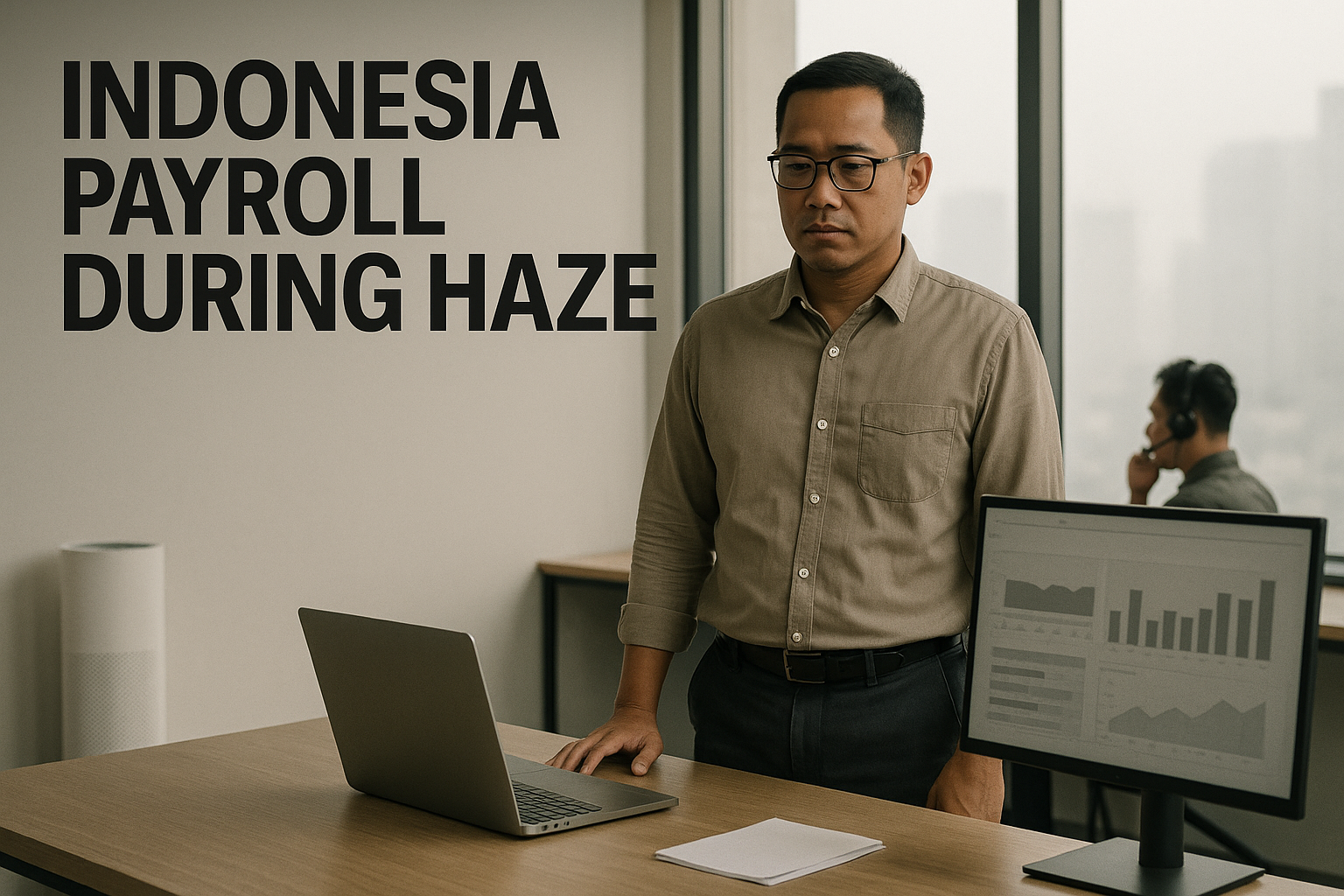
Wildfire haze can disrupt attendance, transport, and site operations in ways that break payroll cut-offs and create inconsistent absence and pay outcomes. This guide lays out a practical playbook for decision rights, documentation, payroll scenarios, and a T-30/T-7/Day 0 timeline to keep payroll, BPJS processing, and board-level continuity records clean.

DJP’s improved access to the eJurnal portal helps Indonesian SMEs find official tax guidance faster and document what they relied on when applying VAT and withholding rules. Used as part of monthly routines, it can strengthen tax governance, reduce avoidable errors, and improve audit readiness through 2024–2026.
Indonesia Accounting, Payroll, and Audit Video Guides

Foreign Subsidiary Incorporation in Singapore
Singapore Branch Incorporation Requirements